

THE JNC GROUP | COMMERCIAL REAL ESTATE
Buying Commercial Property in Tampa Bay?
What Your Inspection May NOT Tell You Could Cost Thousands.
A Florida Commercial Investor’s Guide to Property Condition Assessments and ASTM E2018
By Juan N Castro Jr PA | Broker Associate | Coldwell Banker Realty | The JNC Group
A commercial property can look like a great investment on paper. But what happens when the roof, air conditioning, plumbing, or electrical systems tell a different story?
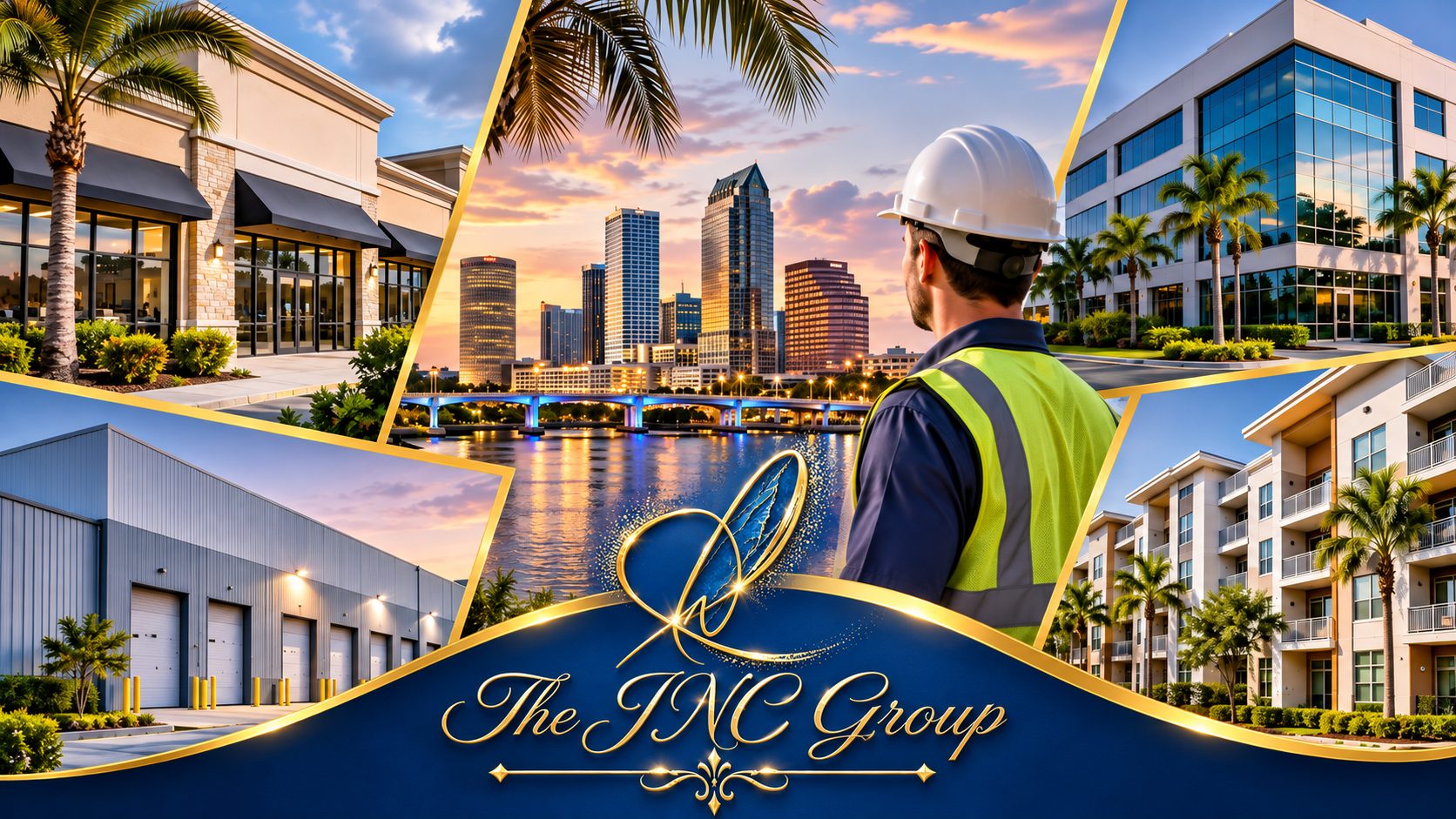
Whether you are considering a retail shopping center in Tampa, an office building in Westshore, a warehouse near Port Tampa Bay, or a multifamily investment in St. Petersburg, understanding a building’s physical condition is an important part of making an informed purchase.
The asking price is only one part of the investment. What the property may require after closing deserves just as much attention.
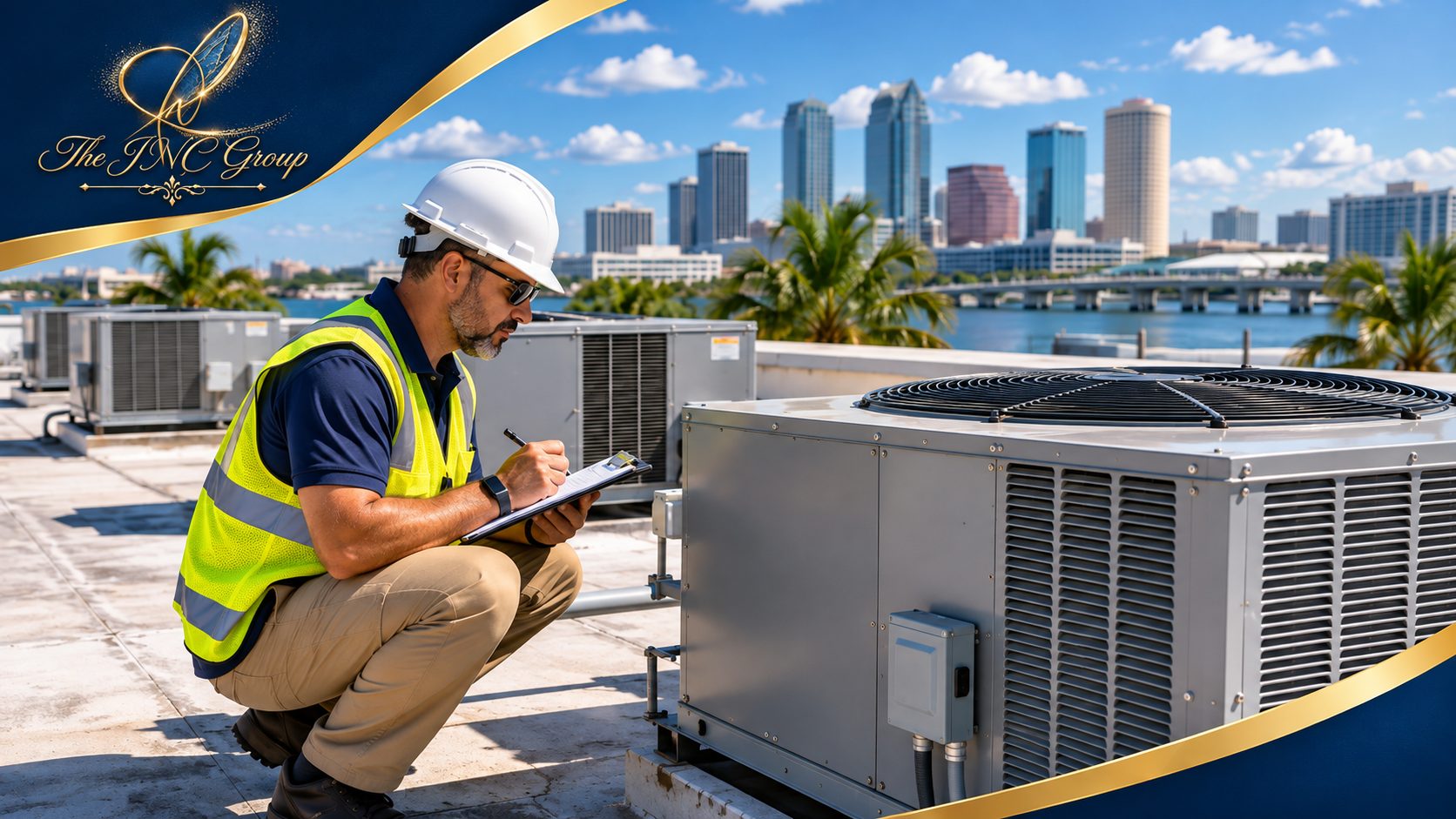
1. What Is an ASTM E2018 Property Condition Assessment?
A Property Condition Assessment (PCA) is a professional evaluation of a commercial property’s physical condition.
ASTM E2018-24 is an industry-recognized guide establishing a baseline process for these assessments. It generally involves a visual examination of accessible building systems, available records, and information obtained from knowledgeable parties.
The resulting Property Condition Report (PCR) can identify significant physical deficiencies and include opinions of costs for certain corrective work.
- What needs immediate attention?
- What major repairs or replacements may be approaching?
- How could these expenses change the investment strategy?
Important: A baseline PCA is not an exhaustive engineering investigation or a guarantee that every defect will be discovered. Additional specialist evaluations may be appropriate.
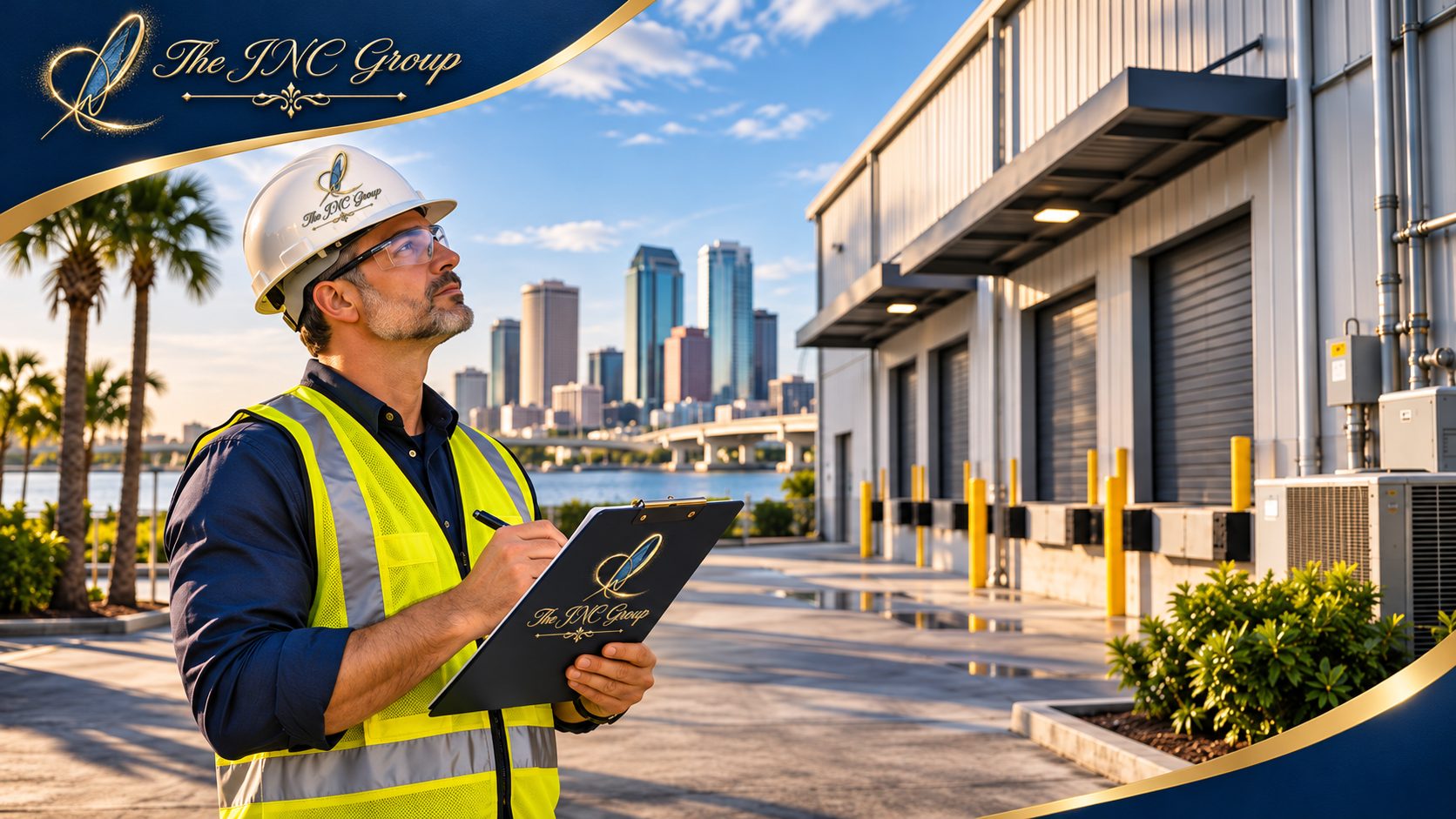
2. The Hidden Expenses That Can Change Your Investment
Imagine purchasing a retail center with attractive rental income, established tenants, and a desirable location.
Everything appears promising until an inspection reveals several rooftop air conditioning units nearing the end of their useful lives.
Or perhaps the parking area has drainage problems, and the roof may require replacement sooner than expected.
These potential expenses can significantly change your financial projections.
A PCA can help evaluate observable conditions associated with:
- Roofing and exterior building components
- Visible structural and foundation conditions
- Heating, ventilation, and air conditioning
- Electrical and plumbing systems
- Parking areas, pavement, and site drainage
- Interior conditions and observable life-safety components
The question isn’t simply whether the property needs repairs. It’s whether those repairs fit your investment.
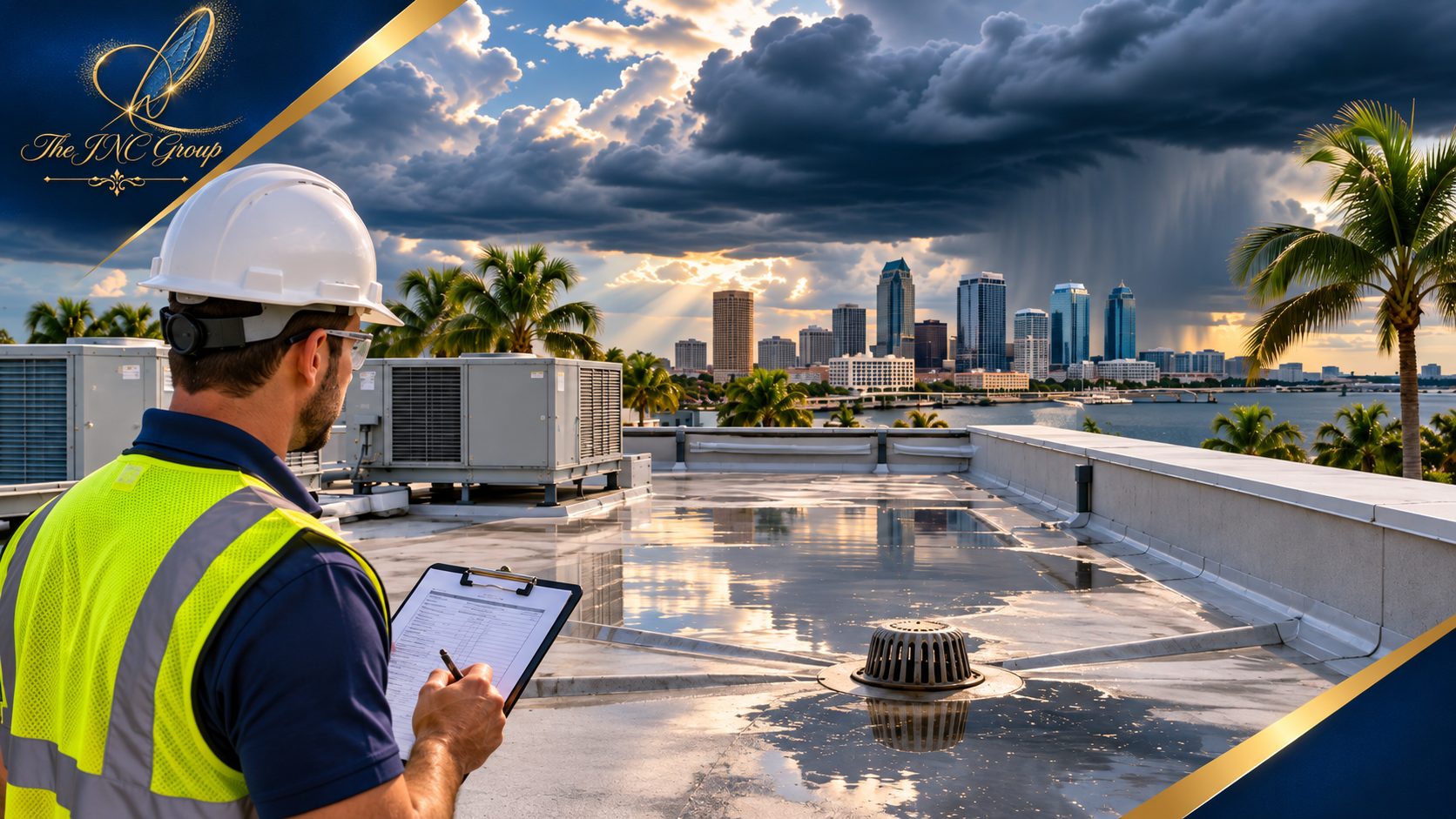
3. Why Florida Commercial Properties Deserve Special Attention
Tampa Bay offers commercial investment opportunities across a wide range of property types. However, Florida’s environment can create additional maintenance concerns.
Heavy rainfall, tropical storms, hurricane-force winds, intense heat, humidity, and coastal conditions can influence a building’s performance over time.
Roofing and Wind Exposure
Buyers should review the roof’s documented age, visible condition, maintenance history, and whether additional roofing or structural evaluations are recommended.
Water Intrusion and Drainage
Signs of recurring leaks, moisture intrusion, and inadequate drainage deserve careful investigation.
HVAC and Mechanical Systems
Florida’s warm climate places significant demands on cooling systems. Equipment age and deferred maintenance can affect operating costs.
Flood and Insurance Considerations
Flood exposure, building characteristics, and insurance underwriting requirements can influence ownership expenses. Buyers should obtain property-specific insurance quotations and review applicable flood information.
A baseline PCA does not necessarily address every concern above. Some require separate professional evaluations and records research.
4. Different Commercial Properties. Different Inspection Priorities.
Not all commercial buildings face the same risks. Your due-diligence strategy should reflect the property’s construction, use, and investment objectives.
Retail Centers
Examine roof conditions, rooftop HVAC, storefronts, parking areas, and maintenance responsibilities established in the leases.
Office Buildings
Consider mechanical systems, elevators, electrical infrastructure, exterior conditions, and possible renovation expenses.
Warehouses and Industrial Facilities
Pay attention to floor slabs, loading areas, roof systems, electrical capacity, fire protection equipment, and the property’s intended operational requirements.
Multifamily Investment Buildings
Review plumbing, roofing, common systems, building conditions, unit maintenance, and possible future capital expenditures.
Mixed-Use and Specialty Buildings
Shared building systems, maintenance obligations, specialized equipment, and property-specific regulatory requirements may call for additional evaluations.
5. What an Inspection Report Can Mean for Your Negotiations
Suppose your due diligence reveals that major building repairs will likely be necessary shortly after closing.
That information may create an opportunity to revisit the transaction’s financial assumptions.
Depending on your purchase agreement and circumstances, you might consider:
- Requesting more documentation or specialist evaluations.
- Negotiating repairs or a purchase-price adjustment.
- Considering other contractually permitted arrangements.
- Revising capital expenditure reserves and cash-flow estimates.
- Reassessing whether the acquisition meets your investment goals.
Every transaction is different. Inspection findings do not guarantee a concession, and contractual inspection deadlines must be respected.
Good negotiating starts with knowing what you’re buying.
6. What a Property Condition Assessment Does NOT Replace
An ASTM E2018 assessment is one part of commercial real estate due diligence, not the entire process.
Depending on the property, buyers may also need:
- A Phase I Environmental Site Assessment
- Structural engineering or specialized inspections
- Detailed roof, elevator, or mechanical examinations
- Survey and title review
- Zoning and permitted-use verification
- Insurance quotations and flood-risk research
- Lease, tenant, and operating expense analysis
- Accessibility and code-related evaluations
Certain Florida condominium and cooperative buildings may also be subject to statutory milestone inspection or Structural Integrity Reserve Study requirements. Those requirements are separate from a baseline PCA.
A knowledgeable commercial real estate advisor can help buyers coordinate their transaction with qualified inspectors, engineers, lenders, attorneys, and other specialists as appropriate.
7. The Best Commercial Investment Decision Is an Informed One
A low purchase price does not automatically mean an attractive investment.
Likewise, a building that needs repairs is not automatically a bad purchase.
Investors should understand how physical condition, acquisition costs, operating expenses, financing, projected income, and future capital needs work together.
Whether you’re purchasing a retail center, office building, warehouse, multifamily investment, or another commercial property, the objective is to make decisions using reliable information.
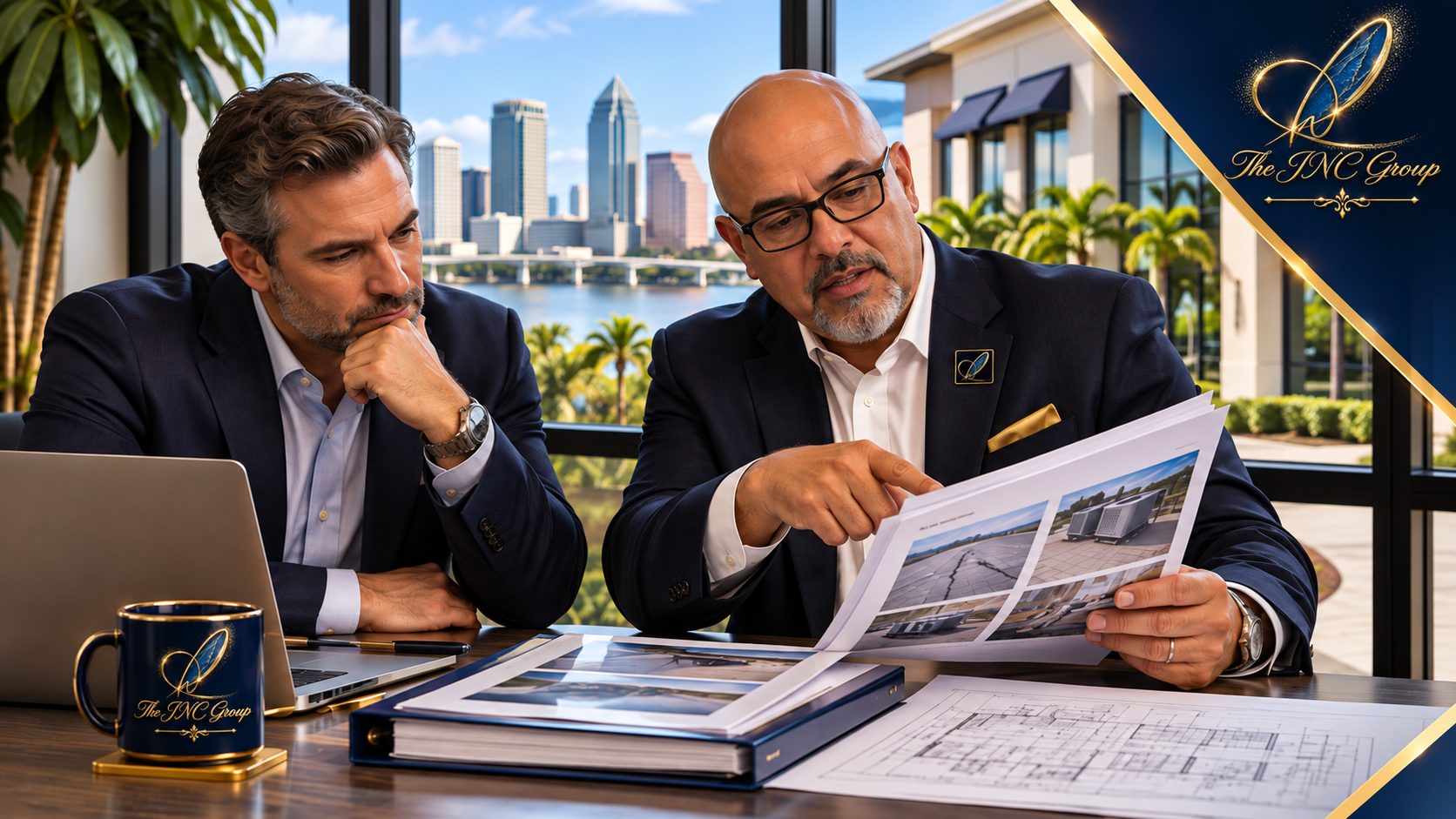
Before committing to a commercial property, make sure you’ve evaluated more than the asking price.
THE JNC GROUP | TAMPA BAY
Thinking About Buying Commercial Real Estate?
Whether you’re exploring your first commercial acquisition or expanding an investment portfolio, let’s discuss your investment goals and the due-diligence process before you commit.
Juan N Castro Jr PA
Broker Associate | REALTOR® | Coldwell Banker Realty
The JNC Group | 813-205-8081
juan.castro@cbrealty.com
AI gives me speed. My experience gives you strategy.
Source Acknowledgment
This original educational article was inspired by material on commercial Property Condition Assessments and ASTM E2018 published by Quality Real Estate Inspections LLC, with credit to Tariq AbouAdma, Certified Master Inspector.
Read the original Quality Real Estate Inspections article.
Technical reference:
ASTM International E2018-24.
Disclaimer: This material is provided for general educational purposes and does not substitute for professional inspections, engineering evaluations, legal advice, or property-specific financial analysis. Property conditions and due-diligence needs vary.
